4 Canine Body Language Signals Every Dog Owner Should Know
We all know that dogs are communicative creatures, but sometimes it can be tough to understand what they’re trying to say.
There are many different ways that dogs communicate with each other and with their human companions. While some of this communication is through vocalizations, a lot of it is actually through body language. As a dog owner, it’s important to be able to understand what your dog is saying with their body so that you can better communicate with them and keep them happy and healthy.
Keep reading to learn four canine body language signals that every dog owner should know, and contact Dog Days Training Center in Berthoud to find the right dog training classes for you and your best friend!
1. Tail Wagging
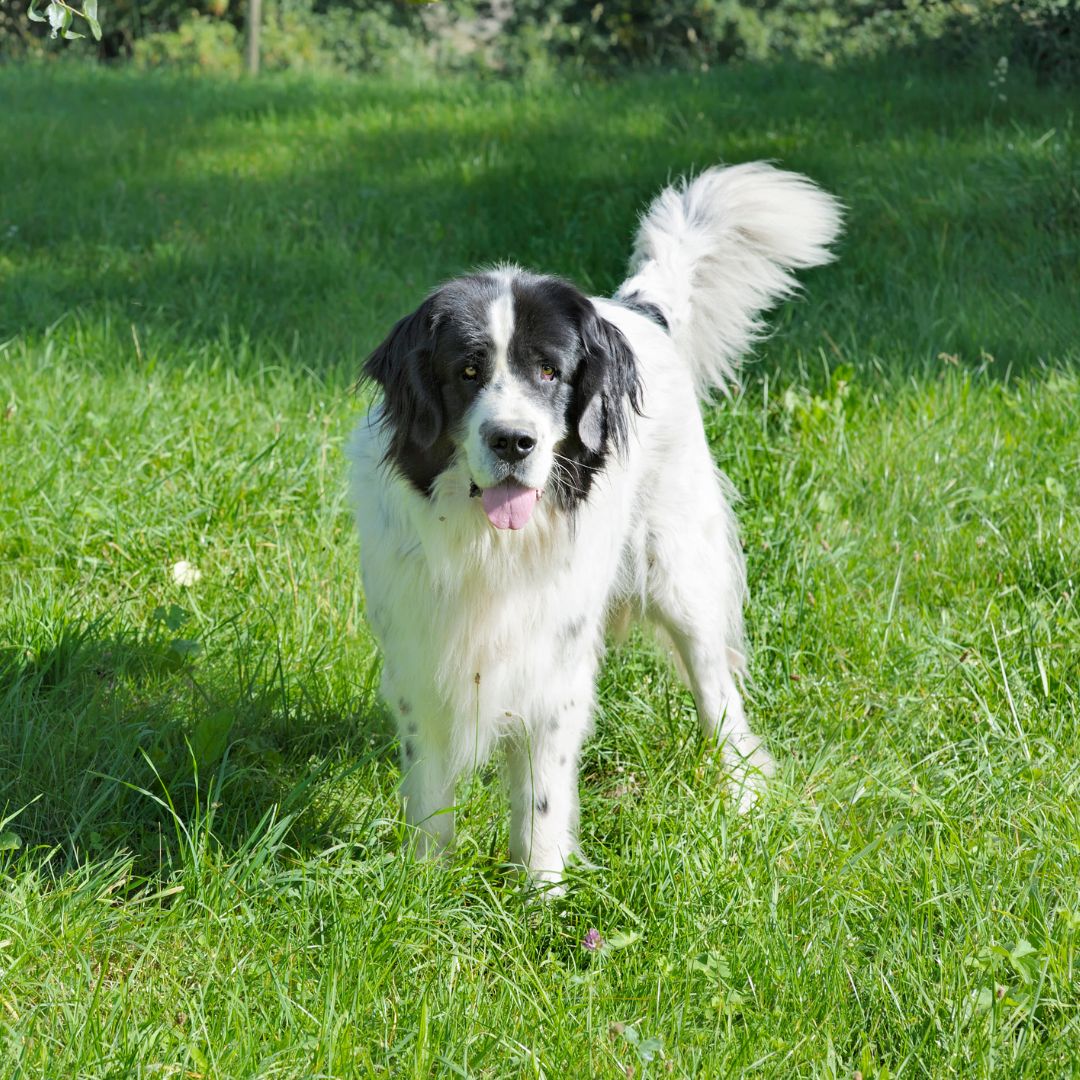
One of the most common and important ways that dogs communicate is through their tail. The position of a dog’s tail can tell you a lot about how they’re feeling. A tail that is held high is a sign of confidence, while a tail that is tucked between the legs is a sign of fear or insecurity. A wagging tail can be either a sign of happiness or excitement or a sign of aggression, depending on how fast the tail is wagging and whether the dog’s hackles are raised.

2. Ear Position
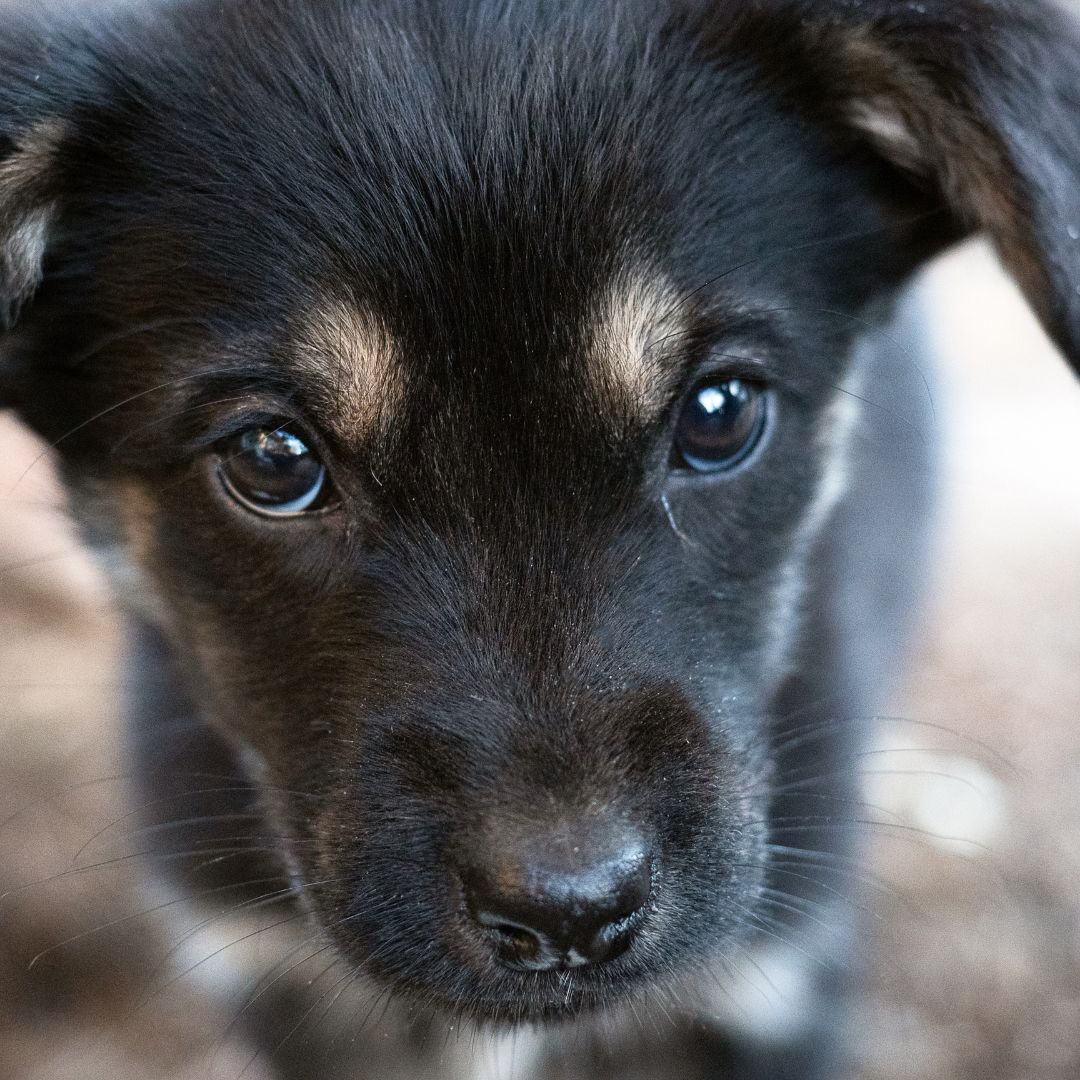
The position of a dog’s ears can also be helpful in understanding its mood. Ears that are held erect and pointing forward usually indicate that the dog is alert and interested in what’s going on around them. In contrast, ears that are held back close to the head usually indicate that the dog is feeling scared or threatened. Private dog training classes can help you better understand the signals your dog sends you every day!
3. Eye Contact
Eye contact is another important way that dogs communicate. A dog that avoids eye contact is usually feeling submissive or distracted, while a dog that stares directly into your eyes may be challenging you for dominance or looking to you for guidance or instruction.
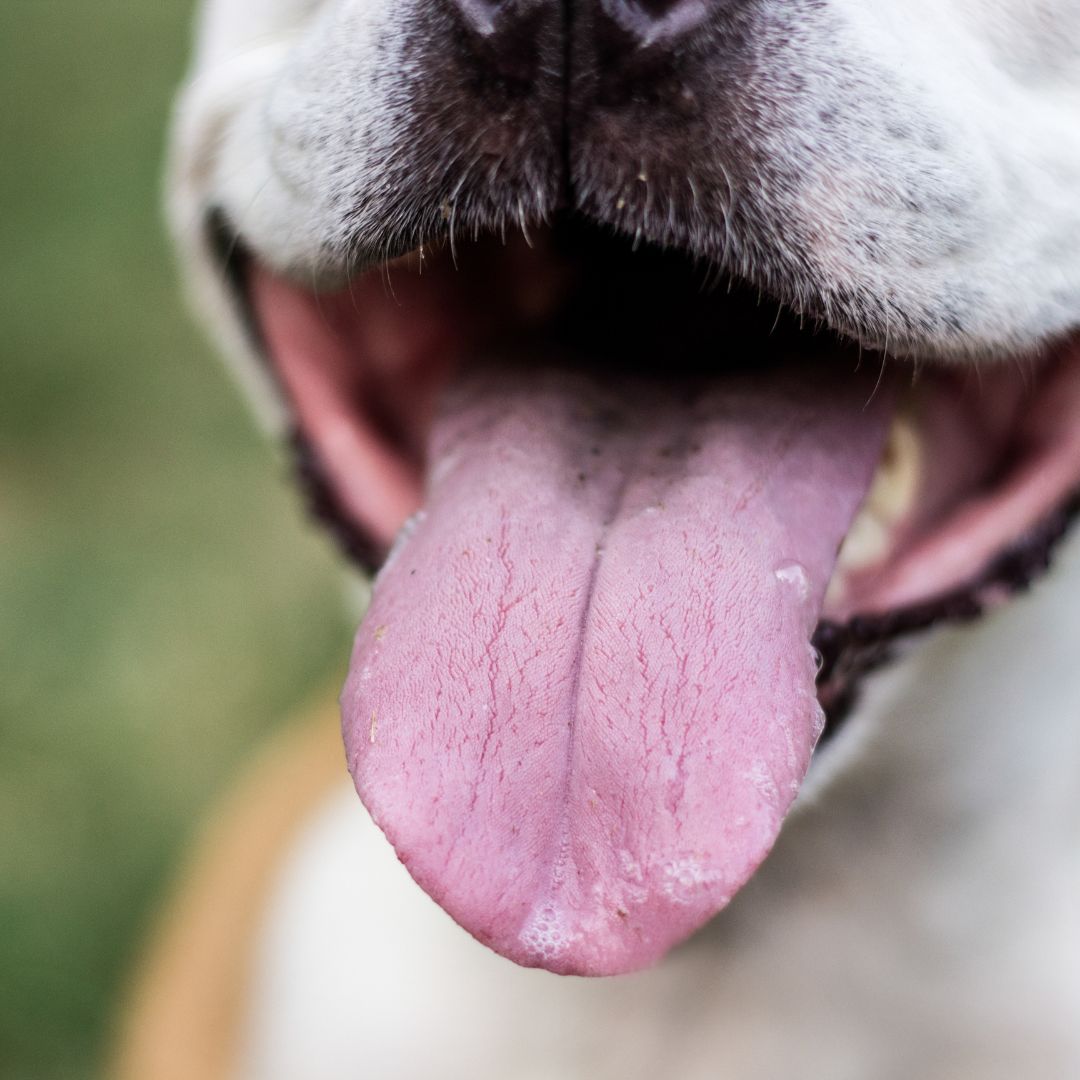
4. Mouth Activity
Dogs use their mouths to communicate in a number of different ways. Dogs that pant heavily or drool excessively are usually feeling anxious or stressed, but a dog that bares its teeth is likely feeling aggressive, threatened, or defensive. Much like with us humans, lip-licking is a sign of nervousness or uncertainty.
By understanding these common canine body language cues, you can build a better, more productive, and more enjoyable relationship with your pup. At Dog Days Training Center, we believe that all dog owners should at the very least be bilingual — and our private dog training classes can help get you and your dog speaking the same language.
